
Table of Contents
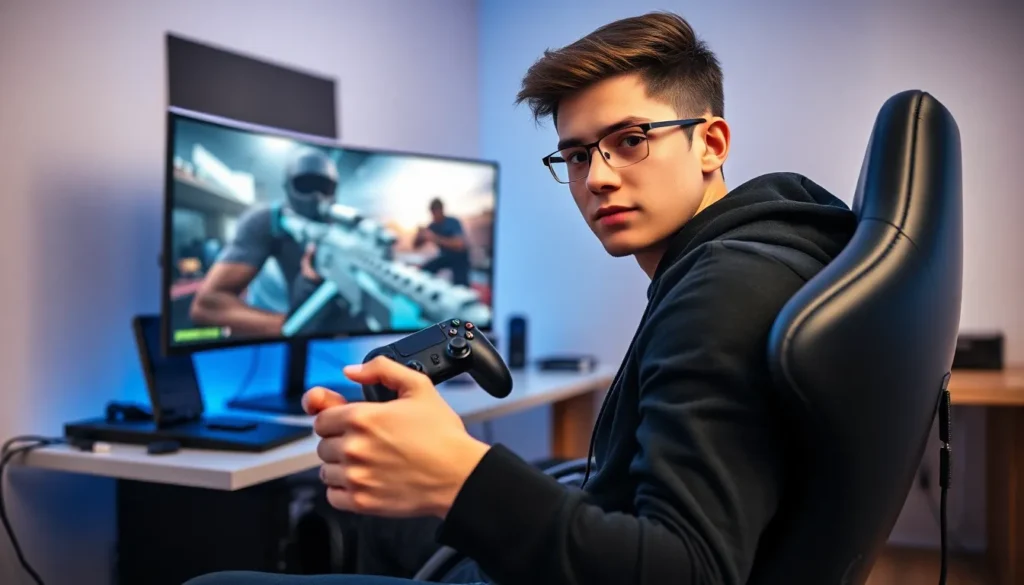
ToggleConsole gaming techniques separate casual players from skilled competitors. Whether someone plays first-person shooters, fighting games, or open-world adventures, the right techniques improve reaction times, accuracy, and overall performance. This guide covers the essential console gaming techniques every player needs. From controller mechanics to strategic thinking, these skills apply across platforms and genres. Players who master these fundamentals gain a clear advantage in both competitive and casual play.
Key Takeaways
- Mastering controller mechanics—including grip styles, sensitivity settings, and dead zones—forms the foundation of effective console gaming techniques.
- Optimizing your gaming setup with a low-latency display, proper seating posture, and quality headphones significantly improves reaction times and performance.
- Different game genres require tailored console gaming techniques: shooters need aim training, fighting games demand frame data knowledge, and sports games rely on pattern recognition.
- Structured practice sessions focused on specific weaknesses outperform hours of casual play for skill development.
- Recording and reviewing your gameplay reveals hidden mistakes and accelerates improvement faster than grinding matches alone.
- Rest, proper sleep, and regular breaks are essential—fatigue can reduce reaction times by 20-25% and undermine even the best techniques.
Mastering Controller Mechanics
Controller mechanics form the foundation of all console gaming techniques. Players who understand their controller gain faster response times and better accuracy.
Grip Styles and Their Impact
Three main grip styles exist: standard, claw, and palm. The standard grip works for most players, thumbs on sticks, index fingers on triggers. The claw grip places the index finger on face buttons while the middle finger handles triggers. This allows simultaneous movement and button presses. Palm grip suits players with larger hands who prefer full controller contact.
Each grip affects button access speed. Competitive players often switch to claw grip for games requiring quick button combinations. The trade-off involves comfort. Claw grip causes fatigue during long sessions.
Sensitivity Settings
Controller sensitivity determines how fast the camera or cursor moves. High sensitivity enables quick turns but reduces precision. Low sensitivity provides accuracy at the cost of speed.
Most professional players use medium-high sensitivity with gradual adjustments. They start at default settings, then increase by small increments over weeks. This builds muscle memory without sacrificing control. Console gaming techniques depend heavily on finding the right sensitivity balance.
Dead Zone Adjustments
Dead zones control how much stick movement registers before the game responds. Smaller dead zones create faster response times. Larger dead zones prevent unwanted drift from worn controllers.
Players should test dead zone settings in training modes. A setting that feels responsive without registering phantom inputs works best. Many competitive titles now include dead zone sliders in their options menus.
Optimizing Your Gaming Setup
Physical setup affects performance as much as in-game settings. Console gaming techniques work best with proper equipment and positioning.
Display Considerations
Input lag measures the delay between controller input and screen response. Gaming monitors typically offer 1-5ms input lag. Standard TVs range from 15-50ms. That difference matters in fast-paced games.
Players should enable “Game Mode” on their TVs. This setting disables image processing that causes delay. A monitor with 120Hz refresh rate provides smoother visuals on newer consoles that support high frame rates.
Seating and Controller Position
Proper posture reduces fatigue and improves reaction times. Players should sit with feet flat on the floor, elbows at 90 degrees, and the screen at eye level. Controllers held too high or too low strain the wrists over time.
Distance from the screen matters too. Sitting 3-4 feet from a 27-inch monitor allows players to see the entire display without excessive eye movement. Larger screens require greater distance.
Audio Setup
Sound provides critical information in many games. Footsteps, gunfire direction, and environmental cues give competitive advantages. Headphones deliver better spatial audio than TV speakers.
Players should choose headsets with clear positional audio. Many console gaming techniques rely on audio awareness, hearing an opponent before seeing them creates opportunities for strategic positioning.
Strategic Approaches for Different Game Genres
Different genres demand different console gaming techniques. A strategy that works in shooters fails in fighting games. Successful players adapt their approach to each genre.
First-Person Shooters
Aim training builds the muscle memory shooters require. Players should spend 10-15 minutes daily in aim trainers or practice modes. Tracking moving targets improves more than hitting stationary ones.
Crosshair placement separates average players from skilled ones. Keeping the crosshair at head level while moving eliminates adjustment time when enemies appear. Pre-aiming common angles reduces reaction time requirements.
Map knowledge provides positioning advantages. Players who know spawn points, sightlines, and cover locations make better decisions faster.
Fighting Games
Fighting games require frame data knowledge. Each move has startup frames, active frames, and recovery frames. Understanding these numbers reveals which attacks beat others.
Combo practice builds execution skill. Players should learn basic combos before advanced ones. Consistent simple combos beat dropped difficult ones. Training mode muscle memory transfers to real matches over time.
Sports and Racing Games
Timing and anticipation matter most in sports games. Reading opponent patterns allows interceptions and counters. Racing games reward track memorization and braking point knowledge.
These genres benefit from studying professional play. Watching how top players handle specific situations teaches techniques faster than trial and error.
Building Consistency Through Practice
Raw talent means little without consistent practice. The best console gaming techniques fail without proper training habits.
Structured Practice Sessions
Focused practice outperforms mindless play. Players improve faster by identifying weaknesses and targeting them. Spending 20 minutes on a specific skill beats 2 hours of casual matches.
Recording gameplay reveals mistakes invisible during play. Reviewing footage shows positioning errors, missed opportunities, and repeated bad habits. Players who analyze their games improve faster than those who simply grind matches.
Rest and Recovery
Fatigue destroys performance. Reaction times slow after extended sessions. Muscle memory suffers when hands tire. Players should take 10-minute breaks every hour.
Sleep affects gaming performance significantly. Studies show reaction times drop 20-25% after poor sleep. Console gaming techniques require sharp mental focus that fatigue eliminates.
Tracking Progress
Measurable goals drive improvement. Players should track statistics like accuracy percentages, win rates, or rank progression. Weekly reviews show what’s working and what needs adjustment.
Small improvements compound over time. A 1% daily improvement seems minor but creates dramatic skill gains over months. Patience and consistency matter more than natural ability.


